
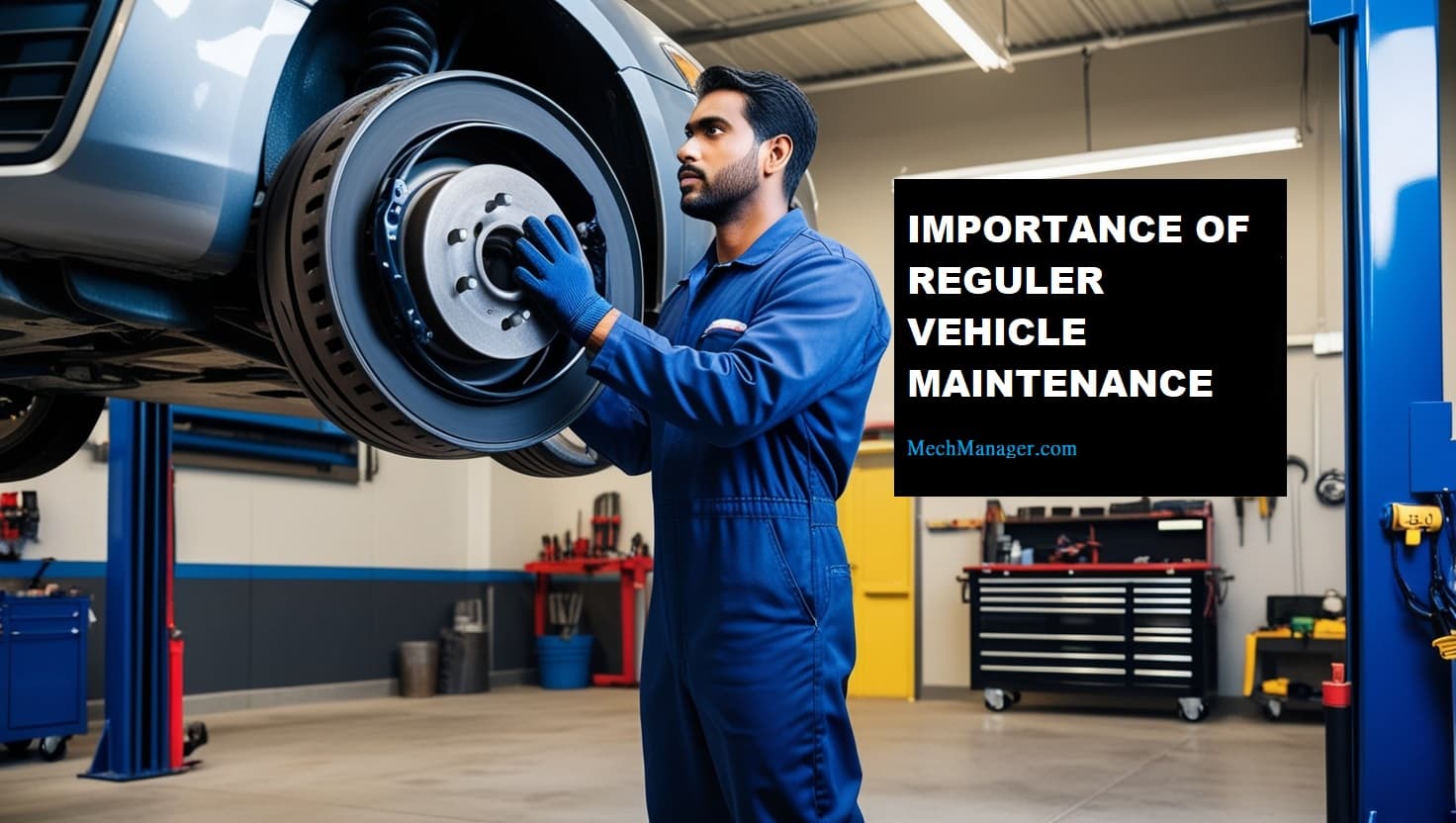
Owning a vehicle is a significant investment, and maintaining it regularly is the best way to protect that investment. Whether it’s a car, truck, or motorcycle, regular maintenance ensures safety, prolongs lifespan, and improves performance. Yet, many vehicle owners underestimate its importance, leading to costly repairs and unsafe driving conditions. In this article, we’ll explore why regular vehicle maintenance matters and how it benefits both your vehicle and your wallet.
1. What is Vehicle Maintenance?
Vehicle maintenance refers to a set of scheduled tasks designed to keep your car running smoothly and efficiently.
Subtopics:
- Routine Checks: Inspection of oil levels, tire pressure, brakes, and lights.
- Periodic Services: Replacing air filters, oil changes, and engine diagnostics.
Advanced Care: Repairs and part replacements that arise during inspections.
2. Why Regular Maintenance is Crucial
Regular maintenance is not just about keeping your car clean; it directly impacts safety, performance, and longevity.
i. Safety First
- Ensures brakes, tires, and steering are in optimal condition.
- Prevents sudden breakdowns and accidents.
ii. Economic Benefits
- Avoids costly repairs by addressing minor issues early.
- Improves fuel efficiency, saving money on gas.
iii. Prolongs Vehicle Lifespan
Reduces wear and tear on the engine, transmission, and other components.
3. Key Components of Regular Maintenance
A maintenance schedule focuses on essential aspects of your vehicle to ensure reliability.
i. Oil and Fluid Checks
- Engine oil lubricates parts and reduces friction.
- Fluids like coolant, brake fluid, and transmission oil are crucial for optimal performance.
ii. Tire Care
- Includes checking tire pressure and rotation for even wear.
- Ensures better road grip and fuel efficiency.
iii. Brake System
- Inspections prevent brake failure and improve safety.
iv. Engine Health
Regular tune-ups keep the engine running smoothly and reduce emissions.
4. The Role of Technology in Maintenance
Modern vehicles come equipped with advanced technology that aids maintenance.
Diagnostic Tools
- Built-in diagnostic systems alert you to issues before they escalate.
Apps and Software
- Maintenance reminder apps help track service schedules.
Real-time monitoring systems keep an eye on critical components.
5. How Regular Maintenance Impacts Resale Value
Proper maintenance records make your vehicle more attractive to buyers.
Highlights:
- Service History: Buyers trust vehicles with documented upkeep.
- Condition: A well-maintained car looks and drives like new.
Market Price: Increases the resale value significantly.
6. Environmental Benefits of Vehicle Maintenance
Regular maintenance is eco-friendly, helping reduce your vehicle’s carbon footprint.
Contributions:
- Lower emissions from a healthy engine.
- Better fuel economy reduces fossil fuel consumption.
Properly inflated tires decrease energy waste.
7. Common Myths About Vehicle Maintenance
Despite the benefits, several myths persist about maintenance.
Myth: “New Cars Don’t Need Maintenance.”
Truth: Even new vehicles require periodic inspections to stay in peak condition.
Myth: “DIY Maintenance is Enough.”
Truth: While DIY efforts help, professional services address more complex needs.
Myth: “Maintenance is Expensive.”
Truth: Neglecting maintenance leads to higher repair costs later.
8. Creating a Maintenance Schedule
A maintenance schedule ensures you don’t overlook important tasks.
Tips:
- Follow the manufacturer’s recommendations for servicing.
- Use mileage-based reminders for oil changes and tune-ups.
Monitor seasonal requirements (e.g., winterizing your vehicle).
9. Warning Signs You Shouldn’t Ignore
Ignoring these signs can lead to severe damage and high repair costs.
- Dashboard Lights: Check engine or oil light warnings.
- Unusual Sounds: Squealing brakes or knocking engines.
Reduced Performance: Decrease in fuel efficiency or sluggish acceleration.
10. DIY Maintenance Tips
Simple maintenance tasks can be done at home to complement professional services.
Suggestions:
- Check oil levels and top up if needed.
- Keep tires inflated to the recommended pressure.
Clean your air filter to improve airflow and efficiency.
11. When to Seek Professional Help
Certain tasks require a trained mechanic to ensure accuracy and safety.
Examples:
- Brake replacements or repairs.
- Engine diagnostics and repairs.
Transmission fluid changes.
12. Cost of Neglecting Maintenance
Skipping regular maintenance often results in higher expenses in the long run.
Consequences:
- Major repairs for preventable issues.
- Increased fuel consumption.
Premature replacement of expensive parts.
13. Benefits of Preventive Maintenance
Preventive maintenance is a proactive approach that saves time and money.
Highlights:
- Reduces the likelihood of breakdowns.
- Improves overall driving comfort and reliability.
Maintains vehicle warranty compliance.
14. Involving Drivers in Maintenance
Educating vehicle owners and drivers is essential for maintenance success.
Suggestions:
- Provide user manuals with clear instructions.
- Encourage regular self-inspections.
Offer discounts on routine services to build good habits.
15. Future of Vehicle Maintenance
Advancements in technology promise an exciting future for vehicle care.
Trends:
- AI Diagnostics: Instant analysis of vehicle issues.
- Self-Maintaining Cars: Vehicles equipped with automated maintenance systems.
Eco-Friendly Materials: Biodegradable oils and green components.
FAQs About Vehicle Maintenance
1. How often should I service my car?
Follow the manufacturer’s recommendations, typically every 5,000–10,000 miles.
2. What happens if I skip maintenance?
You risk costly repairs, reduced performance, and unsafe driving conditions.
3. Can I perform maintenance myself?
Yes, basic tasks like oil checks and tire inflation are easy, but seek professional help for complex repairs.
4. Does regular maintenance improve fuel efficiency?
Yes, well-maintained engines and tires significantly improve gas mileage.
5. How do I know if my brakes need servicing?
Look for squealing noises, reduced braking power, or a spongy brake pedal.
6. Are maintenance services expensive?
While they involve costs, regular maintenance saves money by preventing major repairs.
Conclusion:
Regular vehicle maintenance is essential for safety, performance, and cost savings. By addressing minor issues early and sticking to a routine, you’ll enjoy a reliable vehicle that serves you for years. Start by creating a maintenance schedule, embracing technology, and partnering with trusted professionals to keep your vehicle in peak condition.
Boost your workshop efficiency with MechManager. Learn more about our comprehensive garage management solutions at mechmanager.com or Schedule a demo. Explore related articles: Link to related blogs.