
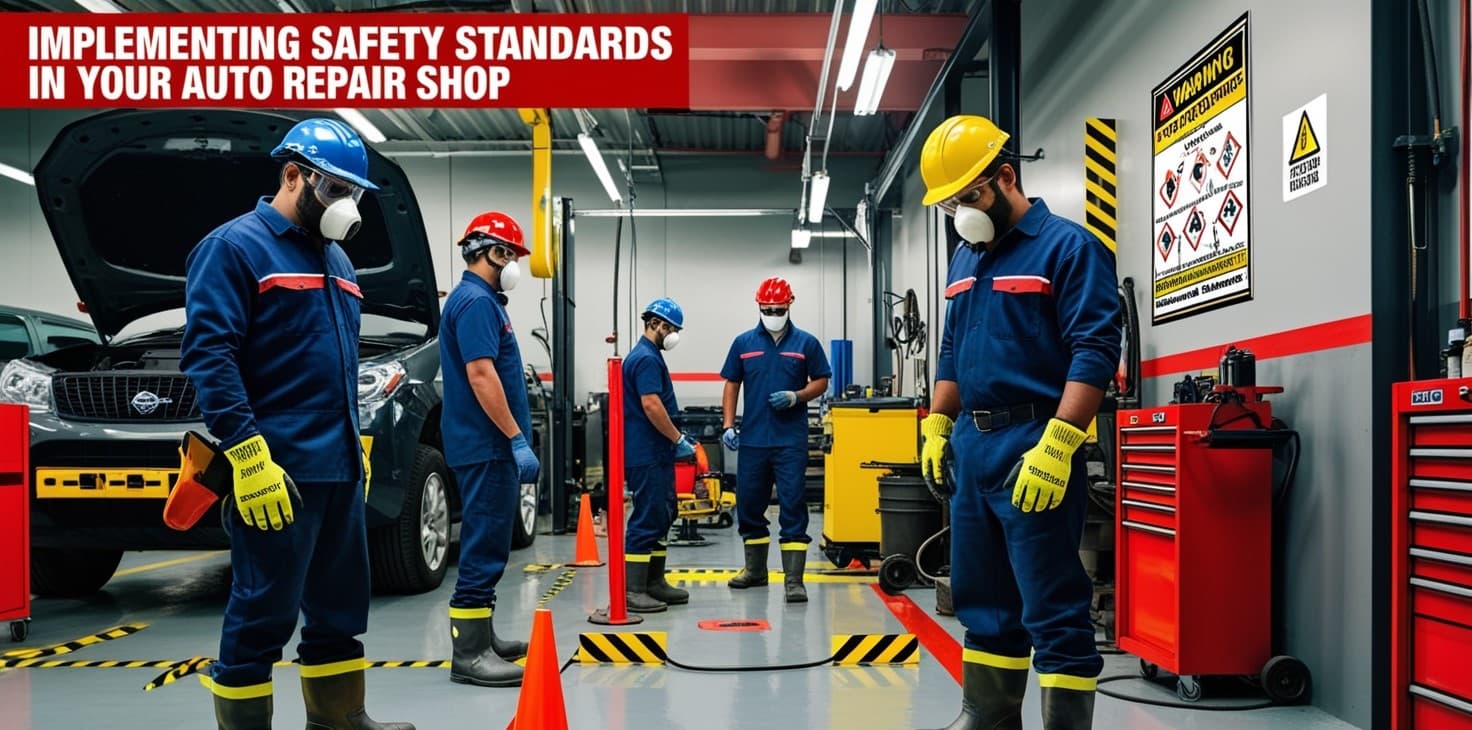
Running an auto repair shop in India involves more than just fixing cars—it requires maintaining a safe environment for both your employees and customers. Auto repair shops can be hazardous places, with risks from heavy machinery, chemicals, electrical equipment, and sharp tools. Implementing comprehensive safety standards is not just about compliance, but also about protecting your team and ensuring smooth, efficient operations.
In this article, we’ll explore the key strategies for implementing and maintaining safety standards in your auto repair shop, with a focus on best practices and relevant Indian regulations. By following these guidelines, you’ll create a safer workplace and a more productive business.
Why Safety Standards Matter in Auto Repair Shops
The automotive repair industry inherently comes with several safety risks, ranging from slips and falls to chemical exposure and equipment accidents. In India, it’s vital to meet safety standards to avoid fines, legal troubles, and most importantly, to protect your employees and customers.
Here are some reasons why safety standards are crucial:
i. Employee Well-being: Safeguarding the health and safety of your employees is essential to maintaining a productive and positive workplace.
ii. Compliance with Indian Labour Laws: Meeting the standards set by the Factories Act, 1948 and Indian Labour Laws ensures you stay compliant and avoid penalties.
iii. Productivity: A safe working environment minimizes accidents and disruptions, leading to smoother day-to-day operations.
iv. Customer Confidence: Prioritizing safety builds customer trust and enhances your shop's reputation.
1. Build a Safety-Focused Workplace Culture:
A strong safety culture is the foundation of any effective safety program. Safety should be an ongoing part of your shop's operations, starting with management and filtering down to every employee. This can be achieved through regular safety briefings, training sessions, and the consistent promotion of safe practices.
How to foster a safety culture:
i. Conduct safety meetings and toolbox talks regularly to keep safety top of mind.
ii. Encourage employees to report unsafe conditions or practices without fear of consequences.
iii. Integrate safety practices into daily routines, job descriptions, and performance reviews.
2. Provide Proper Training for Employees:
Ensuring that all employees are properly trained is crucial for maintaining a safe shop environment. Regular training sessions should cover safe equipment usage, chemical handling, and emergency protocols.
Important training topics include:
i. Proper equipment handling: Lifts, jacks, and other heavy machinery should be operated correctly to avoid accidents.
ii. Chemical safety: Employees should know how to safely handle, store, and dispose of materials like oils, cleaners, and lubricants.
iii. Use of PPE (Personal Protective Equipment): Training staff on when and how to wear protective gear such as gloves, goggles, and safety shoes.
3. Enforce Personal Protective Equipment (PPE) Usage
Personal Protective Equipment (PPE) plays a critical role in preventing injuries in auto repair shops. Make sure that your employees have access to the appropriate PPE and enforce its use throughout the shop.
Essential PPE in Indian auto repair shops:
i. Safety goggles to protect eyes from debris and sparks.
ii. Gloves for handling chemicals or sharp objects.
iii. Steel-toe boots to protect feet from heavy objects.
iv. Respiratory masks when working with fumes or dust.
Ensure that all PPE is regularly inspected for wear and tear and replaced as needed.
4. Ensure Proper Ventilation and Hazardous Material Handling
Auto repair shops often deal with fumes, chemicals, and dust that can pose serious health risks if not properly ventilated. Adequate ventilation is essential to maintain good air quality, while proper handling and storage of hazardous materials help prevent accidents.
Steps to improve ventilation and chemical handling:
i. Install ventilation systems to prevent the buildup of harmful fumes from paints, solvents, and engine exhausts.
ii. Follow local guidelines for storing hazardous materials such as flammable liquids and corrosive substances.
iii. Train employees on safe disposal methods for hazardous waste, in line with the Hazardous and Other Wastes (Management and Transboundary Movement) Rules, 2016.
5. Maintain Equipment and Tools Regularly
Regular maintenance of equipment like vehicle lifts, jacks, and diagnostic tools is crucial to avoid accidents caused by malfunctioning machinery. Create a preventive maintenance schedule and ensure all tools and machinery are regularly inspected and serviced.
Key maintenance practices:
i. Inspect lifts, hoists, and jacks regularly to ensure they function properly.
ii. Repair or replace any damaged tools immediately.
iii. Maintain detailed records of all maintenance schedules and repairs.
6. Establish Emergency Procedures
In case of accidents or emergencies such as fires, chemical spills, or medical issues, having clear emergency procedures is vital. Train your employees to handle emergencies efficiently to minimize damage and ensure everyone’s safety.
Emergency preparedness tips:
i. Post evacuation plans and ensure employees are familiar with emergency exits.
ii. Keep a fully stocked first-aid kit on hand at all times.
iii. Make sure employees are trained to use fire extinguishers and other emergency equipment, in compliance with The Fire Safety Rules in India.
7. Mark Hazard Zones Clearly
Certain areas in your auto repair shop, such as those near heavy machinery, electrical panels, or chemical storage, can pose specific dangers. Clearly mark these zones to alert employees to potential risks.
Use these tools to mark hazard zones:
i. Bright-colored floor tape around high-risk areas.
ii. Warning signs near electrical equipment, heavy machinery, or hazardous materials.
iii. Physical barriers around particularly dangerous areas to prevent accidental entry.
8. Encourage Proper Lifting Techniques
Heavy lifting is common in auto repair shops, and improper lifting techniques can lead to back injuries and muscle strains. Train your employees on safe lifting techniques and provide appropriate tools, such as dollies or hoists, to help with heavy loads.
How to promote safe lifting:
i. Train employees to bend at the knees and lift with their legs, not their back.
ii. Ensure employees avoid twisting their torso when lifting.
iii. Use hoists, jacks, or dollies for heavier items like engines or tires.
9. Conduct Routine Safety Inspections
Regular safety inspections help you identify potential hazards before they become serious issues. Conduct inspections frequently to ensure that your shop is in compliance with all safety standards and that equipment and work areas are free from hazards.
Inspection checklist items:
i. Check for oil spills, debris, or clutter on the floor.
ii. Ensure all equipment and tools are in good working condition.
iii. Confirm that fire extinguishers and first aid kits are properly stocked and accessible.
10. Stay Compliant with Indian Safety Regulations
Compliance with local and national safety regulations is essential to avoid legal penalties and ensure a safe working environment. In India, regulations like the Factories Act, 1948, and the Building and Other Construction Workers (Regulation of Employment and Conditions of Service) Act, 1996 outline specific safety measures that must be followed.
Tips for regulatory compliance:
i. Stay updated on the latest safety standards as per Indian Labour Laws.
ii. Conduct regular safety audits to ensure compliance with legal requirements.
iii. Address any violations promptly and update safety policies as needed.
Conclusion: Prioritizing Safety for a Successful Auto Repair Shop
Implementing safety standards in your auto repair shop is critical to creating a productive and secure environment for your team. By fostering a culture of safety, providing proper training, maintaining equipment, and adhering to Indian safety regulations, you’ll significantly reduce the risks of accidents and injuries.
Safety should be at the forefront of your operations, not only to protect your employees but also to enhance your business’s reputation and ensure long-term success. A well-maintained safety program is an investment that pays off by boosting productivity, customer confidence, and employee satisfaction.
Boost your workshop efficiency with MechManager. Learn more about our comprehensive garage management solutions at mechmanager.com or Schedule a demo. Explore related articles: Link to related blogs.