
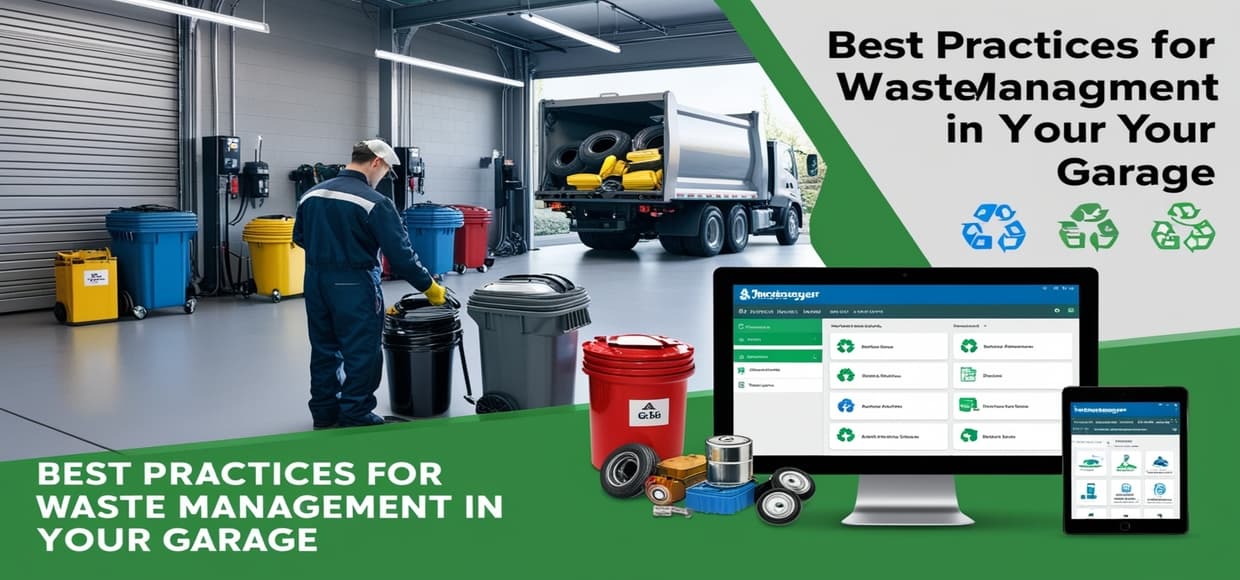
Running a successful garage goes beyond repairing vehicles—it involves managing the waste your business generates effectively and responsibly. From used oil and worn-out tires to hazardous chemicals, garages can produce a variety of waste. Implementing a waste management system not only helps keep your workspace clean but also ensures your operations are compliant with environmental regulations.
Adopting proper waste management practices is essential for minimizing environmental impact, reducing operational costs, and maintaining a safe environment for your staff and customers. In this blog, we’ll explore the best practices for waste management in a garage and how you can take meaningful steps to manage waste responsibly.
1. Classify and Segregate Waste Properly
The first and most important step in waste management is correctly identifying and segregating waste. In a garage, different types of waste are generated, from everyday solid waste to more dangerous hazardous materials. Proper segregation ensures that each type of waste is handled according to its disposal needs.
Types of Waste Found in Garages:
i. Solid Waste: This includes metal scraps, used car parts, packaging materials, and paper waste.
ii. Liquid Waste: Oil, antifreeze, coolant, brake fluid, and other automotive liquids.
iii. Hazardous Waste: Batteries, used oil filters, chemicals, and solvents.
Best Practice:
Set up clearly labeled bins for each type of waste, ensuring staff can easily sort materials as they work. This system not only makes it easier to handle disposal but also reduces the risk of contamination. Having separate bins for recyclables, hazardous materials, and general waste ensures proper disposal and lowers your environmental footprint.
2. Handle Hazardous Waste with Caution
Many garages produce hazardous waste, such as used oil, antifreeze, solvents, and batteries. These materials can pose serious environmental and health risks if not handled properly. It’s crucial to follow local regulations when storing, handling, and disposing of these hazardous materials.
How to Manage Hazardous Waste:
i. Safe Storage: Store hazardous materials in leak-proof, clearly labeled containers to prevent spills.
ii. Regular Disposal: Schedule pickups with licensed hazardous waste disposal companies to ensure that materials are disposed of safely.
iii. Staff Training: Ensure that all employees understand how to handle hazardous waste and are trained in the proper procedures for dealing with spills or leaks.
Pro Tip:
Document all hazardous waste disposal activities, including keeping records of disposal receipts and waste manifests. These records can help in case of audits and prove your compliance with local regulations.
3. Recycle Whenever Possible
Recycling plays a vital role in reducing the amount of waste that ends up in landfills. Many of the materials found in garages can be recycled or reused, including scrap metal, used oil, tires, and batteries. By partnering with recycling programs, you can make a positive impact on the environment while also potentially cutting disposal costs.
What Can Be Recycled in a Garage:
i. Used Oil: Motor oil can be cleaned and re-refined for future use. Used oil filters can also be recycled once drained.
ii. Scrap Metal: Car parts, exhaust systems, and other metal components can be sent to metal recycling facilities.
iii. Batteries: Lead-acid batteries used in vehicles are highly recyclable. Many garages partner with battery recycling programs to ensure they are disposed of correctly.
iv. Tires: Old tires can be repurposed into new products, such as rubberized materials or used in energy recovery processes.
Best Practice:
Partner with local recycling centers or specialized companies that can handle the recycling of these materials. You can also offer tire and battery recycling services to your customers, giving them another reason to choose your garage for their service needs.
4. Minimize Waste Generation
The best way to deal with waste is to reduce how much you generate in the first place. Waste minimization is both eco-friendly and cost-effective, helping your garage reduce expenses associated with waste disposal.
Ways to Reduce Waste:
i. Buy in Bulk: Purchasing materials like oil and cleaning products in bulk helps cut down on packaging waste.
ii. Switch to Reusable Products: Use reusable rags and cleaning cloths instead of disposable ones to reduce waste.
iii. Digital Documentation: Adopt paperless practices by using digital invoices, records, and documentation to cut down on paper waste.
iv. Regular Vehicle Maintenance: Encourage customers to follow proper maintenance schedules to reduce the need for frequent repairs and part replacements, minimizing waste generation.
Pro Tip:
Conduct regular audits of your garage’s operations to identify wasteful practices. Look for opportunities to cut down on the use of materials and supplies, which will save both resources and money.
5. Dispose of Tires Properly
Tires are one of the biggest waste products generated by garages, and improper disposal of tires can have serious environmental consequences. Many tires are dumped illegally or end up in landfills, where they take up valuable space and can pose fire hazards. However, used tires can be recycled or repurposed into new materials.
Best Practices for Tire Disposal:
i. Work with Tire Recyclers: Many companies specialize in recycling tires, turning them into products like playground surfaces, rubberized asphalt, or new tire materials.
ii. Donate Tires for Repurposing: In cases where tires are not eligible for recycling, consider donating them to be repurposed as landscaping materials or for creative uses in construction.
iii. Offer Tire Recycling to Customers: Let your customers know that your garage offers tire recycling services. This not only helps with proper disposal but can also encourage customers to return for future services.
Pro Tip:
Charge a small recycling fee for tire disposal to offset the costs associated with recycling. Customers are generally happy to pay for responsible, environmentally-friendly disposal practices.
6. Train Your Staff
One of the most important elements of effective waste management is having a well-informed and trained team. Waste management practices will only be successful if every employee knows the proper procedures for handling, segregating, and disposing of waste.
How to Train Your Staff:
i. Provide Regular Training: Schedule waste management training sessions to ensure that all employees understand how to handle different types of waste, especially hazardous materials.
ii. Clear Waste Policies: Develop and share clear policies for handling waste in the garage, including guidelines for recycling, hazardous material disposal, and reducing waste.
iii. Monitor Compliance: Assign a team member or supervisor to oversee waste management activities to ensure that all staff members follow the correct procedures.
Pro Tip:
Incorporate waste management training into your onboarding process for new employees. This will ensure that everyone in your garage is aligned with your waste management goals from day one.
7. Stay Updated on Local Regulations
Waste disposal regulations can vary greatly depending on your location. Many local governments have specific requirements for handling hazardous waste, used tires, and automotive fluids. Staying up-to-date with these regulations is crucial for avoiding fines and maintaining legal compliance.
How to Stay Compliant:
i. Research Local Laws: Familiarize yourself with the waste management regulations in your area, particularly those related to hazardous materials and recycling.
ii. Partner with Certified Disposal Companies: Work only with licensed waste management services that are authorized to handle and dispose of your garage’s waste properly.
iii. Document Waste Disposal Activities: Keep accurate records of all waste disposal activities, including receipts from recycling centers and hazardous waste pickups.
Pro Tip:
Assign someone in your garage to monitor compliance with waste disposal regulations. This person can ensure your garage follows the rules and stays on top of any changes in local laws.
Conclusion
Waste management is a critical part of running a successful and responsible garage. By segregating waste, handling hazardous materials with care, recycling where possible, and staying compliant with local regulations, you can reduce your environmental impact and operate more efficiently. These best practices not only help protect the environment but also ensure your garage remains a safe and organized workplace.
Implementing these waste management strategies will help you maintain a cleaner, safer garage while also contributing to a greener future.